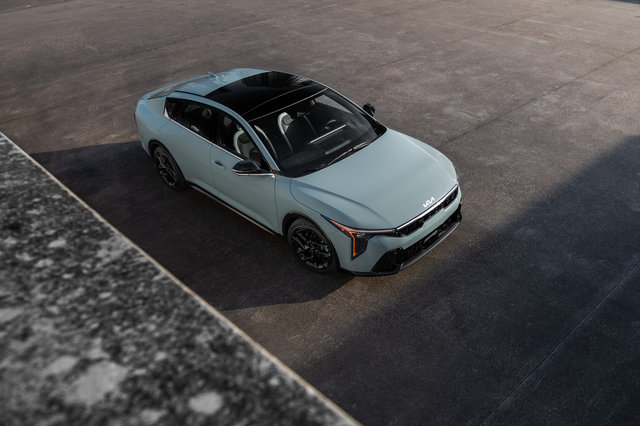
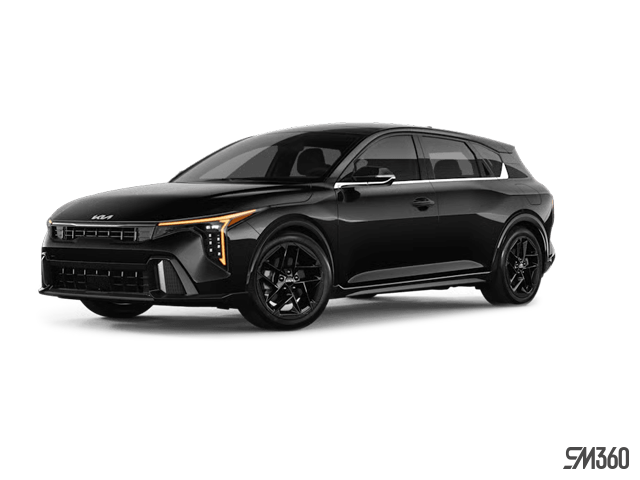
The 2026 Kia K4 lineup is built around one clear idea — give Quebec drivers two shapes of the same well-rounded compact car. Both the K4 sedan and the 2026 K4 Hatchback draw from Kia's "Opposites United" design language, with bold proportions, a wide confident stance, and vertical LED headlights and taillights inspired by the award-winning EV9. The family resemblance is unmistakable from across a parking lot.
Where the two K4s diverge is behind the front seats. The sedan sticks with a sloping fastback profile and a traditional trunk. The Hatchback trades the trunk for a lift-up rear door, a floating roof design, and much more cargo flexibility. For shoppers in Laval and across the Rive-Nord, understanding exactly what changes — and what stays the same — is the key to picking the right body style.
K4 Sedan vs. K4 Hatchback: Specs at a Glance
|
Specification
|
2026 Kia K4 Sedan
|
2026 Kia K4 Hatchback
|
|
Standard engine
|
2.0 L 4-cylinder, 147 hp / 132 lb-ft
|
2.0 L 4-cylinder, 147 hp / 132 lb-ft
|
|
Available engine
|
1.6 L Turbo, 190 hp / 195 lb-ft
|
1.6 L Turbo, 190 hp / 195 lb-ft
|
|
Transmission
|
IVT (standard) / 8-speed auto (Turbo)
|
IVT (standard) / 8-speed auto (Turbo)
|
|
Drive type
|
Front-wheel drive
|
Front-wheel drive
|
|
Cargo capacity
|
413 L (trunk)
|
628.6 L behind rear seats / 1,680 L with seats folded
|
|
Overall length
|
Full sedan footprint
|
11 inches shorter than sedan
|
|
Rear headroom
|
Standard sedan proportions
|
Extra inch vs sedan (class leader)
|
|
Rear legroom
|
Class-leading
|
Class-leading (matches sedan)
|
|
Trim lineup
|
LX, EX, EX+, GT-Line, GT-Line Turbo, GT-Line Turbo Limited
|
Standard, GT-Line
|
Shared Design DNA: Opposites United
The 2026 K4 sedan and K4 Hatchback both wear Kia's "Opposites United" design language. That philosophy shows up in the bold, geometric front end, the vertical LED headlight signature, and the EV9-inspired taillights that run vertically up the rear pillars. Both cars also use hidden rear door handles for a cleaner profile — on the sedan they sit flush with the bodyline, and on the Hatchback they integrate into the C-pillar to accentuate the floating roof.
From the front, the two cars are essentially twins. Move around to the sides and back, and the personality split becomes clear.
Shared Design Elements
- Bold "Opposites United" front end with signature Kia grille
- Vertical LED headlights and taillights inspired by the EV9
- Wide, confident stance and muscular body proportions
- Hidden rear door handles for a cleaner silhouette
Where the Shapes Diverge
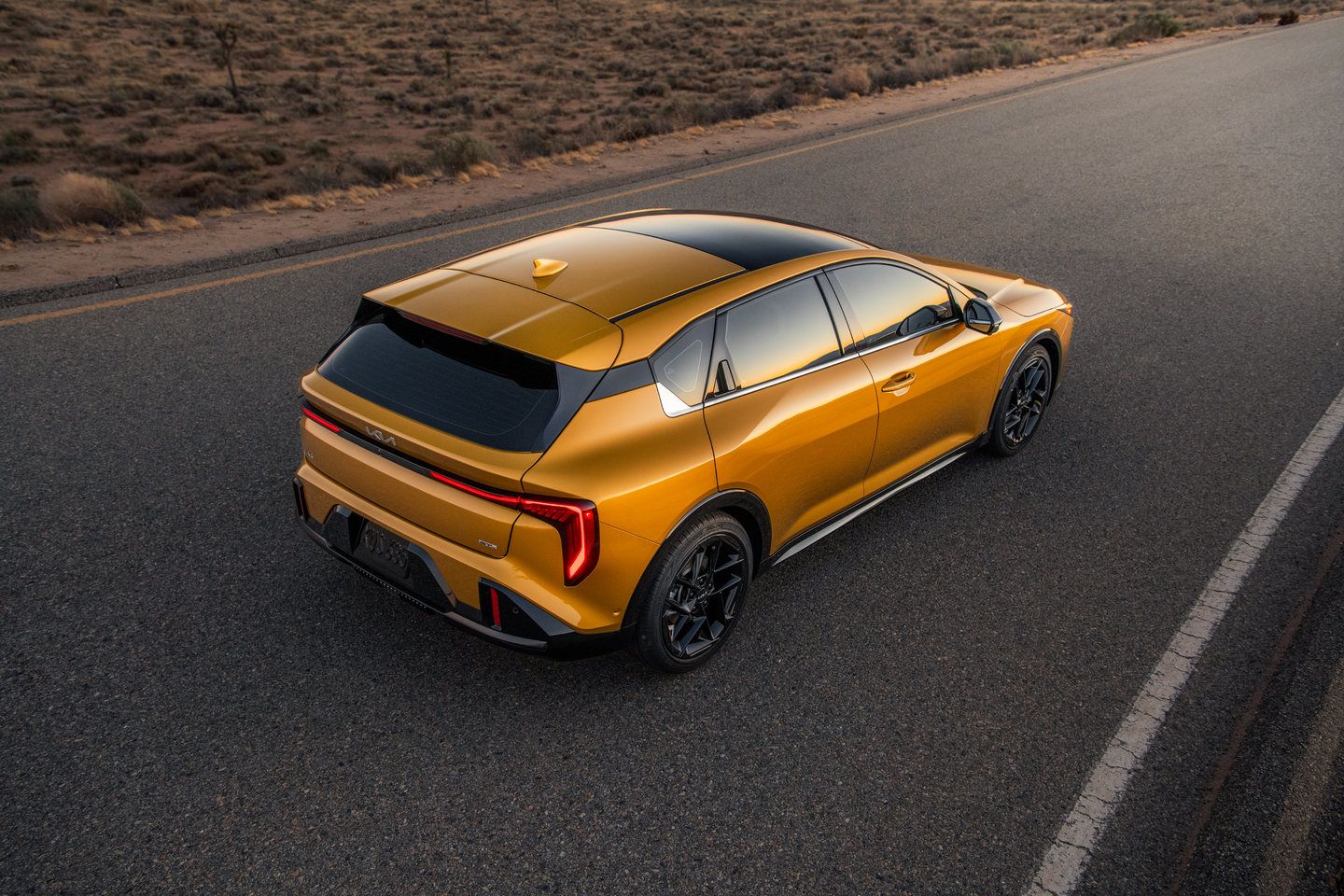
The sedan leans into a long, sloping fastback roofline that flows into a traditional trunk lid. It reads as a modern sport sedan — lower, longer, and more formal in stance. The K4 Hatchback takes the same front end and replaces the fastback rear with a striking floating roof design that seamlessly extends into the rear hatch. The Hatchback is also 11 inches shorter overall, giving it a more compact, athletic silhouette.
The Hatchback also offers an exclusive Sparkling Yellow exterior colour on GT-Line trims that the sedan does not offer.
Cargo Volume: The Biggest Practical Difference
The gap in cargo capacity is the single largest reason most Quebec drivers will choose one body style over the other.
The K4 sedan offers a traditional 413 L trunk. That capacity covers weekly groceries, two suitcases for a weekend away, or hockey gear for one or two kids. For most daily use in Laval, it works fine.
The K4 Hatchback repackages the entire rear of the car. Behind the rear seats, cargo jumps to 628.6 L — over 50 percent more than the sedan. Fold the 60/40 split-folding rear seats flat and cargo expands to 1,680 L. For families loading up for weekend trips to the Laurentides or Quebec City, that extra volume genuinely changes how the car gets used.
Cargo Capacity Quick-Reference
- Sedan trunk: 413 L — daily groceries, weekend bags, hockey gear
- Hatchback behind rear seats: 628.6 L — strollers, large sports bags, family hauls
- Hatchback with seats folded: 1,680 L — ski gear, bikes, home-improvement runs
- Both: 60/40 split-folding rear seats standard
Rear-Seat Dimensions: Class-Leading in Both
Both body styles deliver class-leading rear legroom for the compact car segment — a direct benefit of the shared wheelbase and efficient packaging. Where the Hatchback pulls ahead is rear headroom. Because the floating roof design preserves more vertical space above the back seats, the Hatchback gains an extra inch of rear headroom compared to the sedan, making it a class leader in both rear headroom and rear legroom.
For taller passengers or families with growing kids, that extra inch of headroom is a real comfort improvement on longer drives.
Identical Powertrains and Technology
Both K4 body styles share the same engine lineup. The standard setup is a 2.0 L 4-cylinder engine producing 147 hp and 132 lb-ft of torque, paired with Kia's Intelligent Variable Transmission (IVT). The available 1.6 L turbocharged 4-cylinder produces 190 hp and 195 lb-ft of torque, paired with an 8-speed automatic transmission.
Both cars use front-wheel drive and run on regular unleaded fuel. Standard trims drive nearly identically. The one mechanical difference: the K4 Hatchback GT-Line Turbo adds a sport-tuned suspension for sharper handling, which is not offered on the sedan.
Inside the front cabin, the two cars are nearly identical. Both use a dual digital display that spans nearly 30 inches — a 12.3-inch instrument cluster paired with a 12.3-inch infotainment touchscreen, plus a 5-inch dedicated climate display. Wireless Apple CarPlay and Android Auto are standard across every trim, along with three free years of Kia Connect services.
Available features shared across both body styles:
- Harman Kardon premium audio system
- Digital Key 2.0 with Ultra-wideband technology
- Wireless phone charger
- 360 Surround View Monitor
- Blind-Spot View Monitor
Safety and Driver Assistance
Both body styles come with Kia's ADAS suite, with up to 29 total features across the lineup. Standard on both the sedan and Hatchback include Lane Keeping Assist and Smart Cruise Control with Stop & Go. Available Highway Driving Assist 2 (HDA-2) maintains distance from other vehicles and keeps the car centred in its lane on certain highways — useful on Autoroute 440 or Autoroute 15 during Laval rush-hour commutes.
Which K4 Body Style Is Right for You?
If you prefer a traditional sedan silhouette, want the wider trim lineup to pick from, and find that 413 L of trunk space covers your typical cargo needs, the K4 sedan is the cleaner choice. Its longer, lower stance also reads more formal on highway drives.
If you regularly carry sports gear, pets, strollers, or weekend luggage for a family — or if you want class-leading rear headroom and a more compact footprint for city driving in Vimont or downtown Laval — the K4 Hatchback is the more versatile pick. Its 1,680 L maximum cargo capacity and shorter overall length make it a genuinely flexible compact car, and the Hatchback GT-Line Turbo's sport-tuned suspension is the sharpest driving K4 available.
Compare Both K4 Body Styles at Lallier Kia Vimont
The clearest way to decide is to experience both cars in person. Stop by Lallier Kia Vimont in Laval to see the 2026 Kia K4 sedan and K4 Hatchback side by side, open the cargo areas, and drive each on familiar Quebec roads. Our team is ready to walk you through the differences and help you find the K4 configuration that fits your daily drive.
To learn more about the 2026 Kia K4 Hatchback, visit Kia.ca