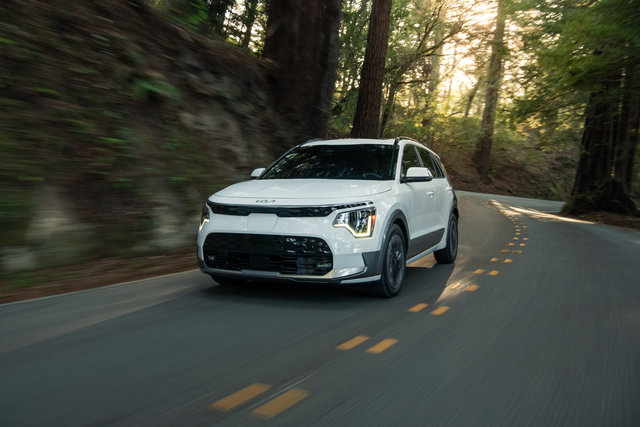
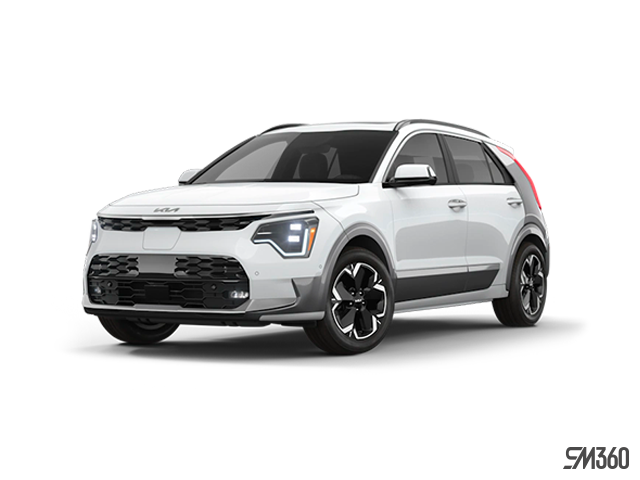
You’ve probably seen EV charging numbers quoted as “10 to 80 percent” and wondered why nobody just says “full charge.” For Quebec drivers weighing a 2026 Kia Niro EV against a daily commute, errands, and the occasional road trip, understanding that window is the difference between a quick coffee-stop top-up and a longer wait than expected.
This guide breaks down what actually controls charging speed on the Niro EV, from the hardware in the car to the charger you plug into, so you can plan your charging habits with confidence.
Why 10 to 80 Percent Is the Number That Matters
Charging an EV isn’t linear. Fast charging works fastest in the middle of the battery’s range and slows down sharply as the pack approaches full, to protect the battery cells. That’s why manufacturers and charging networks quote the 10-to-80 percent window instead of 0-to-100.
The 2026 Niro EV pairs a 64.8 kWh Lithium-Ion Polymer battery with a maximum DC fast-charging rate of 350 kW. In practice, that peak rate is only available for a portion of the session; the last stretch to 80 percent, and especially past it, tapers off to protect long-term battery health.
How a Charging Session Actually Plays Out
Two different pieces of hardware do the work depending on where you plug in. At home or at a Level 2 public station, the Niro EV’s onboard charger converts AC power at up to 11 kW, feeding the battery steadily over several hours.
At a DC fast-charging station, the charger itself converts the power to DC and sends it directly to the battery, bypassing the onboard charger entirely. This is what allows the higher 350 kW peak rate and a session measured in minutes rather than hours.
Battery state of charge, temperature, and the charger’s own output all interact during that session. A half-empty battery on a mild day pulls more power than a nearly-full battery in the cold, which is why two sessions on the same car can look very different.
|
Charging Type
|
Power Delivered
|
Typical Session
|
|
Home Level 2
|
Up to 11 kW (onboard charger)
|
Overnight
|
|
Public Level 2
|
Up to 11 kW (onboard charger)
|
Several hours
|
|
DC Fast Charging
|
Up to 350 kW
|
Minutes, tapering near 80%
|
Why This Matters for Everyday Driving
Most Niro EV owners will rarely need the fast-charging window at all. A daily commute and weekend errands around Quebec are well within the 407 km range on a single charge, so home charging overnight covers the routine without ever touching a DC fast charger.
Fast charging matters most on longer weekend drives or road trips, when you need to add range quickly and keep moving. On those days, understanding the 10-to-80 percent taper helps you plan a stop that’s long enough to be useful, but not so long that you’re waiting on the slow tail end of the curve for a marginal gain.
Home Charging, Workplace Charging, and Public Fast Charging Are Different Jobs
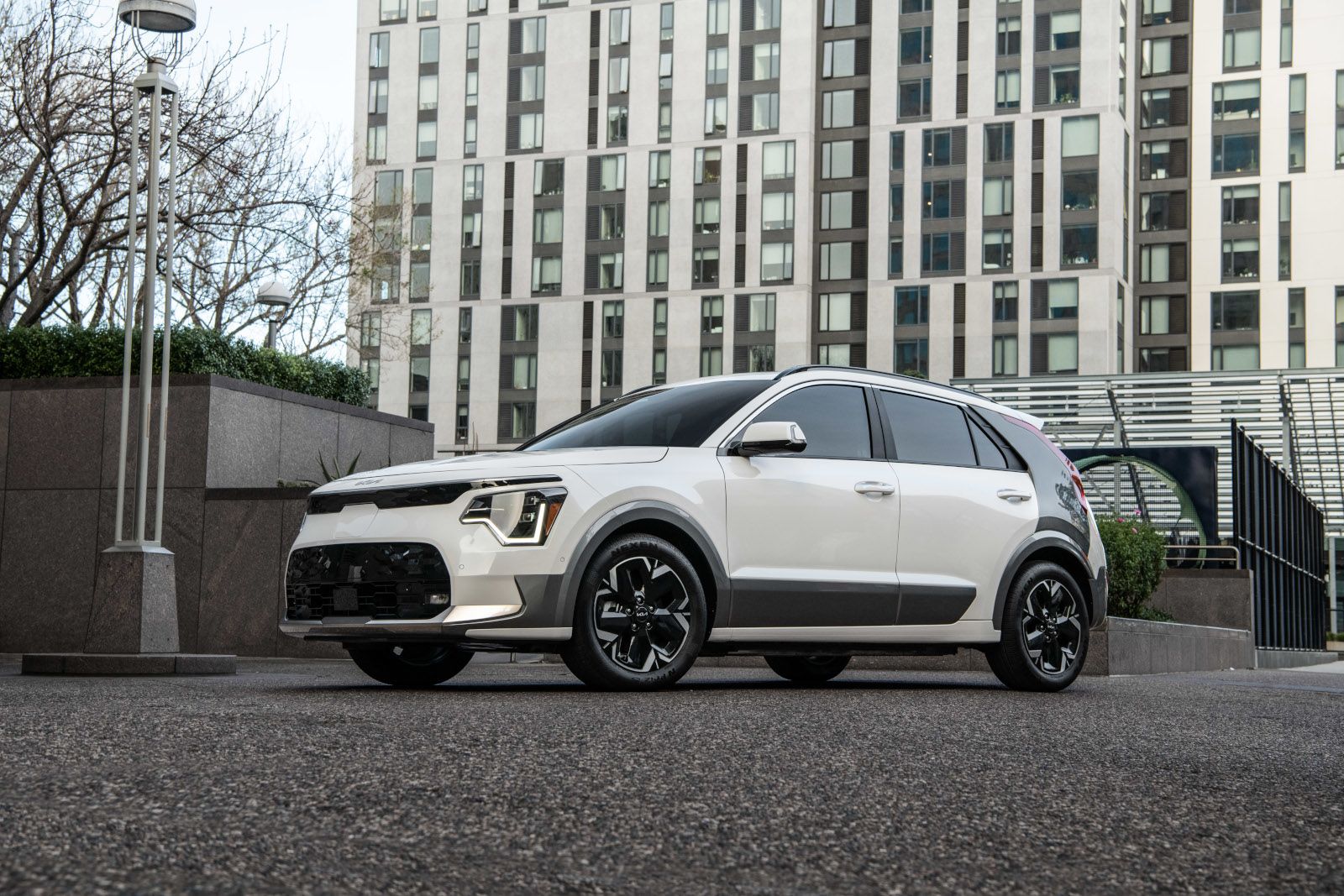
These three options aren’t interchangeable; each solves a different problem. Home charging through the onboard charger’s 11 kW rate is the everyday backbone: plug in overnight, wake up to a full battery, and never think about it again.
Workplace charging, where available, works the same way and simply adds hours to the daily charging window without changing your routine. Public DC fast charging is reserved for the road trip or the day you need range back in a hurry, not for topping up every afternoon.
For Quebec drivers in apartments or condos without dedicated home charging, public Level 2 stations and workplace charging fill that gap, while occasional DC fast-charging stops handle longer distances. Single-family homeowners can install a home charger and rarely need public charging at all.
Home Charging Without the Electrical Panel Headache
Over half of Canadian homes can’t support a Level 2 home charger without an electrical panel upgrade, a real barrier for older homes across Quebec. Kia’s Energy Management System, paired with the RS48 Level 2 charger, addresses this directly.
The system continuously monitors your home’s power usage and sends whatever electricity is available to the charger, ramping up when household demand is low and scaling back when other appliances are running. That means Level 2 home charging becomes possible without the cost or delay of upgrading your electrical service.
The RS48 charger itself is a 48 A unit with a 25-foot cable, available in NACS or J1772 connector configurations, and it can be scheduled for off-peak charging with remote monitoring through a hardwired connection.
Cold Weather and Charging Consistency
Battery temperature affects how quickly a pack can accept a charge. A cold battery limits charging speed, which is why the same Niro EV can charge noticeably differently in a Quebec winter versus a mild fall afternoon.
Route planning that accounts for this, spacing out fast-charging stops and allowing a little extra time in colder months, keeps a road trip realistic instead of frustrating. This is where Kia Connect’s charging station locator becomes useful, guiding you to the nearest station and helping avoid range anxiety before it starts.
Who the Niro EV’s Charging Setup Suits Best
The Niro EV’s charging setup fits a first-time EV buyer well: an 11 kW onboard charger that makes home charging genuinely simple, and a 350 kW DC fast-charging ceiling for the days that call for it. Commuters and errand-runners will lean almost entirely on the former.
For apartment or condo dwellers without a home charger, the combination of workplace charging, public Level 2 stations, and occasional DC fast charging still supports daily use and weekend drives without constant range anxiety.
Getting the Right Charging Setup for Your 2026 Niro EV
Charging speed on the 2026 Niro EV comes down to three things working together: the charger’s output, the battery’s state of charge, and the temperature outside. Home charging covers daily use, while DC fast charging handles longer trips.
Visit Lallier Kia Vimont in Laval to book a test drive and talk through a home or public charging setup that matches how you actually drive, from daily commuting to weekend trips across Quebec.
To learn more about the 2026 Kia Niro EV, visit Kia.ca