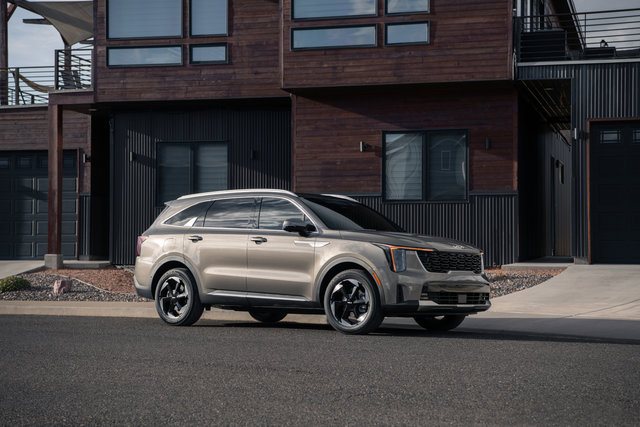
A plug-in hybrid SUV raises a fair question before you sign anything: what happens once the electric range is gone? For Quebec shoppers cross-shopping the 2027 Sorento PHEV, the answer matters more than the marketing copy usually explains.
The short version: all-wheel drive is not something the battery lends you temporarily. It is part of how the Sorento PHEV is built, and it keeps working the same way whether the battery is full, half used, or completely depleted.
What The Sorento PHEV’s Drivetrain Actually Is
The Sorento PHEV pairs a 1.6-litre turbocharged four-cylinder gas engine with a Permanent Magnet Synchronous electric motor and a 13.8 kWh Lithium-Ion Polymer battery pack running at 360 V. Combined output is 268 hp and 270 lb-ft of torque, sent through a 6-speed automatic transmission to an on-demand all-wheel-drive system.
That AWD hardware is a mechanical part of the drivetrain, not a feature the battery switches on. It is the same layout Kia uses across the Sorento hybrid range, and its job is to route power to all four wheels whenever traction calls for it, regardless of how much electric range is left in the pack.
How Power Moves From Battery To Engine
With a charged battery, the Sorento PHEV can run in EV-only mode for an estimated 55 km, drawing purely on the electric motor. Once that charge is used, the system does not shut off or fall back on the front wheels alone. It shifts into hybrid operation, where the gas engine and electric motor share the workload the way a standard hybrid does.
In gasoline-only operation, the PHEV is rated at 6.9 L/100 km combined; in electricity-plus-gasoline mode, it’s rated at 2.8 Le/100 km. Both figures describe the same drivetrain working two different ways, not two different vehicles.
The 6-speed automatic transmission and the drive management system handle that switch without input from the driver. There’s no button to press, no mode to select to “unlock” AWD; the all-wheel-drive hardware is simply present in both states.
Why The Depleted-Versus-No-AWD Distinction Matters
This is where the confusion usually starts. “Depleted battery” and “no AWD” sound like they should mean the same thing in a plug-in hybrid, but they describe two separate systems. The battery affects how much of the Sorento’s power comes from electricity versus gasoline. It has no bearing on whether power reaches the rear wheels.
That distinction carries real weight once the seasons turn. Traction on slush, wet pavement, or a cold start doesn’t depend on how much electric range is left; it depends on whether the AWD hardware is engaged, and that hardware is doing its job in both EV mode and hybrid mode.
The practical result is a Sorento PHEV that drives the same way at 55 km into a charge and at 55 km past it. Response and traction don’t change with the battery gauge, which matters for anyone counting on this vehicle for both daily errands and longer, unplugged trips.
PHEV Versus HEV: Two Different Starting Points
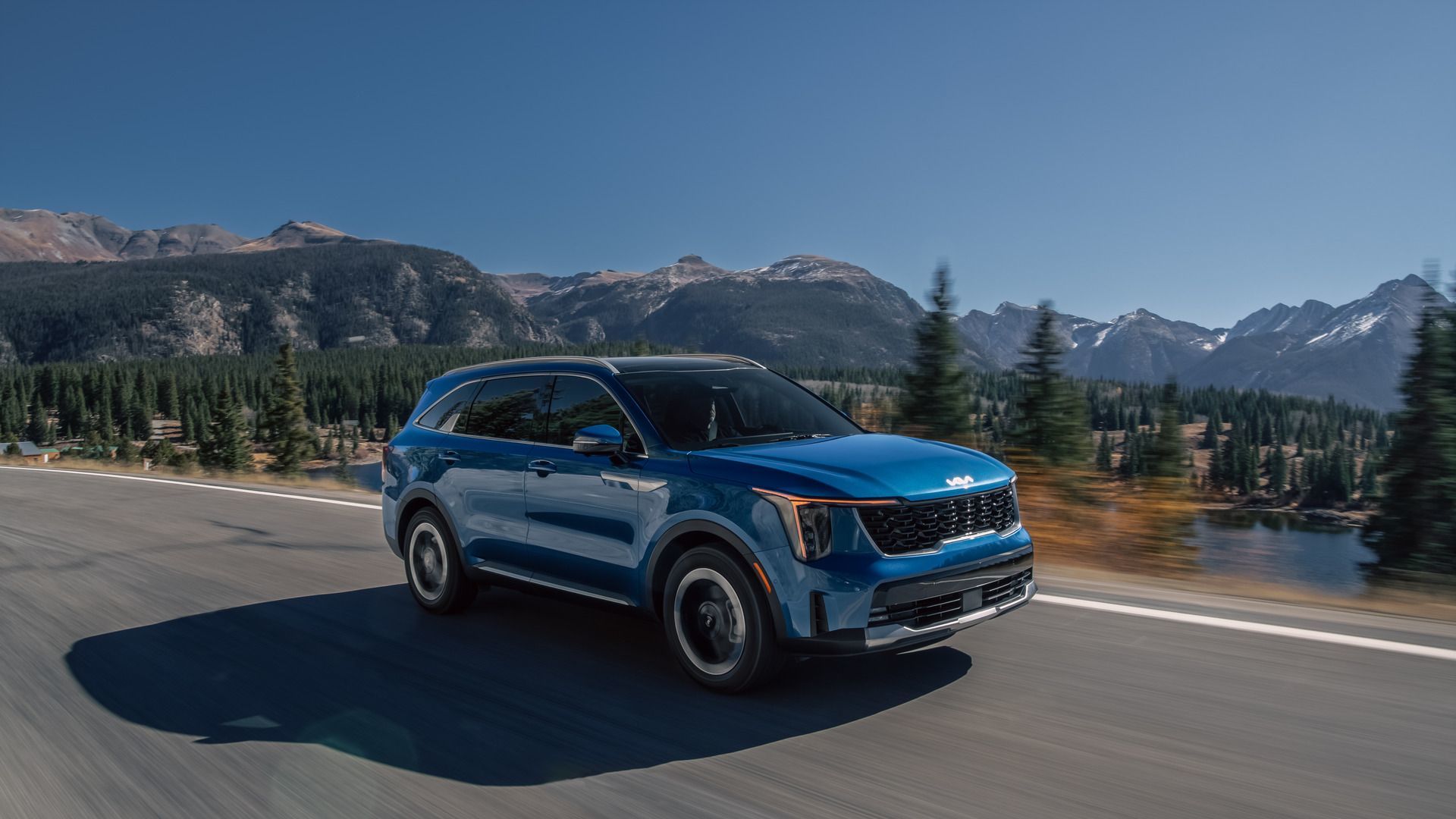
The standard Sorento HEV never plugs in. Its 1.49 kWh battery, at 270 V, exists to assist the 1.6-litre engine, not to drive the vehicle on electricity alone. Combined output is 227 hp and 258 lb-ft, with fuel economy rated at 7.0 L/100 km combined.
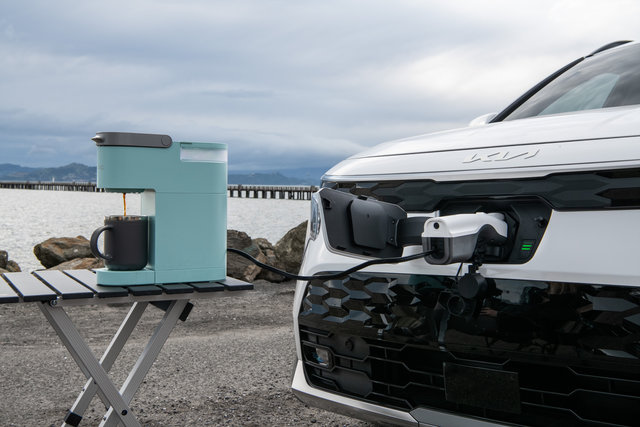
The PHEV’s larger 13.8 kWh, 360 V battery is built to do a job the HEV’s battery isn’t sized for: full EV-only commuting. That’s the real trade-off between the two.
|
Spec
|
Sorento HEV AWD
|
Sorento PHEV AWD
|
|
Battery capacity
|
1.49 kWh
|
13.8 kWh
|
|
Combined horsepower
|
227 hp
|
268 hp
|
|
Combined torque
|
258 lb-ft
|
270 lb-ft
|
|
Electric-only range
|
Not applicable
|
55 km
|
|
Fuel economy (combined)
|
7.0 L/100 km
|
6.9 L/100 km (gas only)
|
A short commuter who can plug in nightly gets most trips done on electricity with the PHEV, then leans on the same AWD hybrid system as the HEV for everything past that. A shopper who never plugs in gets simpler math with the HEV, without paying for a battery they won’t use to its potential.
Who Gets The Most Out Of The Plug-In Sorento
The Sorento PHEV suits a household doing short, repeatable trips, like school runs and local commutes, where 55 km of EV range covers most days on electricity. Add a longer weekend drive or a battery that hasn’t been topped up, and the vehicle doesn’t change character; it simply runs as a hybrid with the same AWD underneath it.
That consistency is the point for a one-vehicle household that wants electric-first driving around town without giving up a system built for changing road conditions. The Sorento PHEV doesn’t ask the driver to choose between the two.
Choosing The 2027 Sorento PHEV At Lallier Kia Vimont
The 2027 Sorento PHEV combines a 55 km electric-only range with an all-wheel-drive system that keeps operating once that range is used, backed by a 268 hp combined hybrid powertrain shared across LX, EX, and SX trims.
Visit Lallier Kia Vimont in Laval to see the 2027 Sorento PHEV in person and get your questions about charging, range, and all-wheel drive answered directly.
To learn more about the 2026 Kia Sorento PHEV, visit Kia.ca