Packing for a weekend at the lake or a fall camping trip in Quebec usually means juggling coolers, lanterns, and a tangle of device chargers. If you are shopping the 2026 Kia Niro EV, one question worth asking is how the vehicle’s battery can pull double duty once you arrive at the campsite.
This is not a spec-sheet feature. It is a practical one, and it changes how you think about packing for a trip.
What Vehicle-to-Load Actually Means
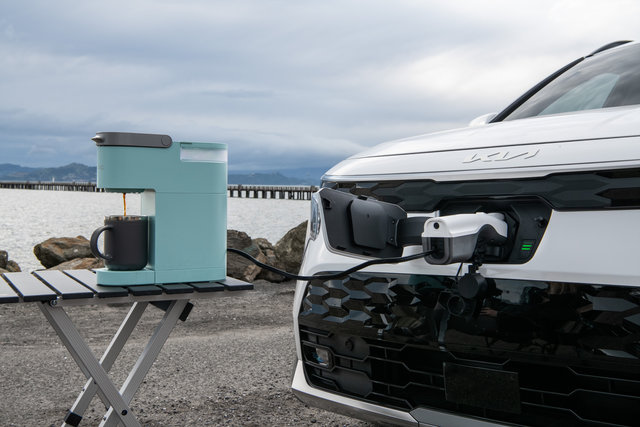
Vehicle-to-Load, often shortened to V2L, describes an EV’s ability to send stored battery power back OUT of the vehicle instead of only receiving it. In plain terms, the car becomes a portable power source rather than just something you plug in at home.
For a camper, that means the same battery pack that gets you to the campsite can also run small gear once you are parked.
How It Fits Into the Niro EV’s Electric Layout
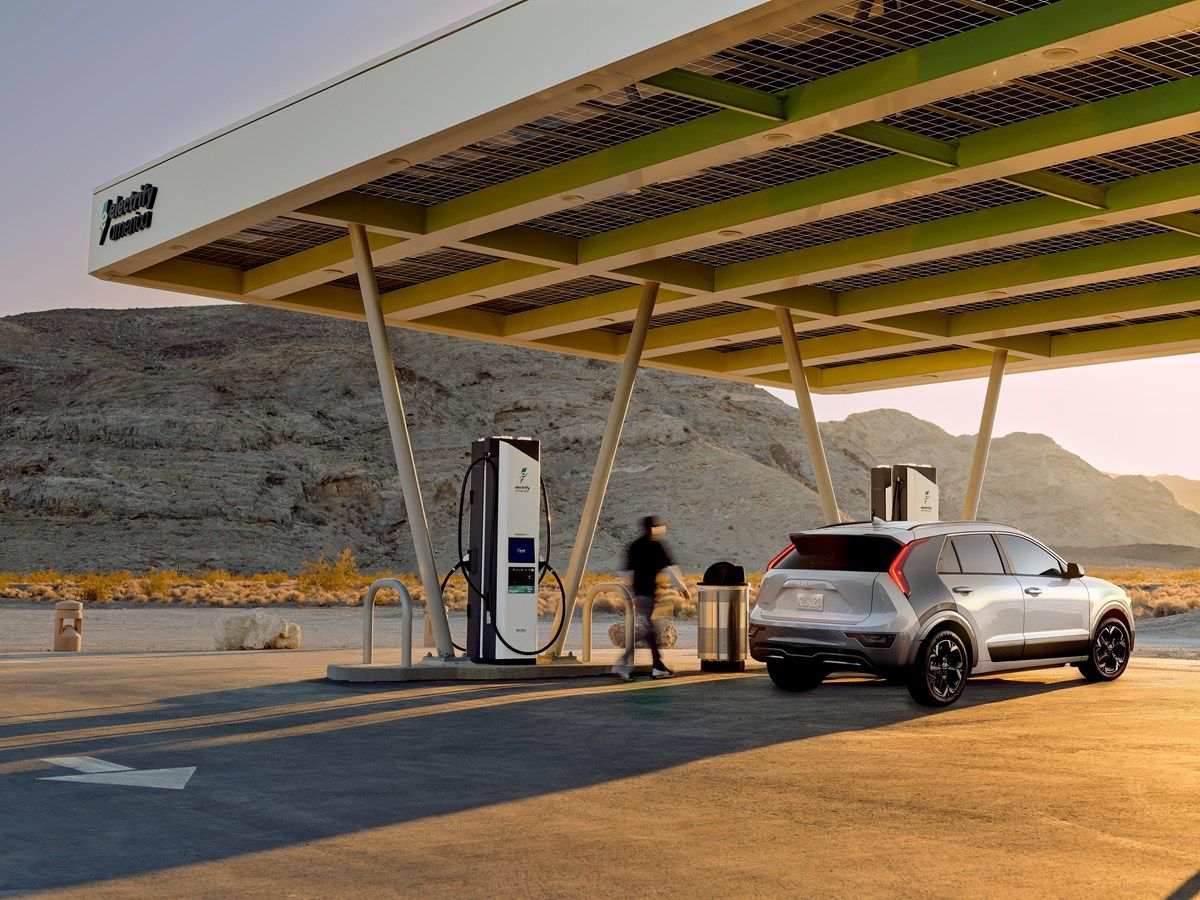
The Niro EV’s electric powertrain is built around a battery pack rated at 64.8 kWh, paired with an electric motor that produces 201 hp and 188 lb-ft of torque. Charging IN uses an 11 kW onboard charger for Level 2 sessions, with DC fast charging available up to 350 kW where a compatible station is present.
That same battery architecture is what makes running external power possible at a campsite. The vehicle is not adding a separate generator; it is drawing from the same pack that powers the drive.
Because the Niro EV’s range is rated at 407 km, the battery represents a meaningful reserve of stored energy, not just enough to get you home. Understanding that reserve is the starting point for planning how much you can comfortably use before you need to think about charging again.
Why It Matters for a Quebec Weekend Trip
Campsite routines create small, recurring power needs: charging a phone overnight, running a camp light, keeping a portable fan going on a warm afternoon, or powering a coffee maker in the morning. None of these are large draws individually, but carrying separate battery packs or a gas generator for each one adds weight and complexity to a trip.
For a Quebec shopper planning weekend getaways through the fall and into cottage season, having power built into the vehicle removes one more thing to pack. It also means fewer worries about a portable battery running out of charge mid-trip, since the vehicle itself is the source.
The distinction that matters here is between everyday conveniences and higher-demand equipment. Small electronics and light camp accessories are a reasonable fit. Larger appliances that draw sustained, heavy power are a different conversation, and drivers should confirm what their specific setup supports before relying on it for anything beyond short, practical use.
Trip Planning: Battery Use, Charging, and Campsite Rules
Good camping habits with an EV start before you leave the driveway. A few things worth thinking through:
- Charge to a comfortable level before departure, factoring in both the drive to the campsite and the return trip.
- Plan daytime power use around light, short-duration tasks rather than continuous heavy draws.
- Keep overnight use modest so you are not drawing down the battery meaningfully while you sleep.
- Confirm compatibility between your devices’ plugs and any adapters you bring, since campsite gear varies widely.
- Check the campsite’s own rules on powered equipment, since some parks limit what can be run from a vehicle or outlet.
The Kia Connect app’s charging station locator is useful here too, helping you map out charging stops along the route so a weekend of convenience power does not turn into range anxiety on the way home.
Managing energy use is really about sequencing: use the battery for camping convenience during the day, but prioritize charging access if you are relying on the vehicle for a longer stay or a return trip with limited charging options along the way.
Onboard Power vs. Campsite Hookups and Portable Packs
|
Power Source
|
Flexibility
|
Setup
|
|
Niro EV onboard power
|
Goes wherever the vehicle goes
|
No separate device to pack or charge ahead of time
|
|
Campsite electrical hookup
|
Fixed to serviced sites only
|
Requires a site with hookup access
|
|
Portable battery pack
|
Flexible location, limited capacity
|
Needs its own charging before the trip
|
Onboard vehicle power is more flexible than a fixed campsite hookup, since it is not tied to a specific serviced site. It is less flexible than a small portable pack in one sense: it is tied to the vehicle staying parked at the site, not carried to a picnic table down the trail.
For most weekend campers, onboard power works best as a convenient backup rather than the sole plan for the trip, especially if a site does not offer electrical hookups.
Who Gets the Most Out of It
This kind of feature is most compelling for a specific set of drivers: weekend campers who want to skip packing a separate power bank, families managing several devices at once, and anyone who already brings small electronics or compact appliances along on trips.
It is also relevant for EV shoppers who want proof that an electric vehicle can do more than handle a daily commute. A Niro EV that can also support a weekend outdoors gives Quebec buyers a reason to look at EV ownership as practical beyond city driving.
Planning a Camping-Ready 2026 Niro EV
Vehicle-to-Load turns the Niro EV’s battery into a source of everyday camping convenience, not just a way to get from point A to point B. Used with a bit of planning around charging and campsite rules, it fits naturally into a Quebec camper’s routine.
Visit Lallier Kia Vimont in Laval to confirm Vehicle-to-Load availability and setup details on the 2026 Kia Niro EV, and see how it fits your next trip outdoors.
To learn more about the 2026 Kia Niro EV, visit Kia.ca