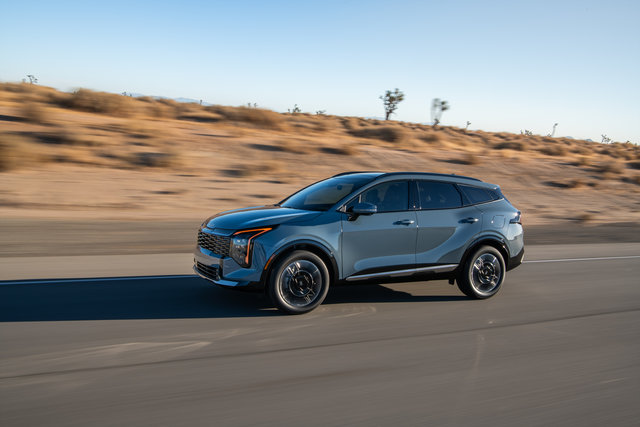
Between school drop-offs, hockey bags, and weekend trips to the cottage, a minivan either earns its keep or gets in the way. If you’re weighing the 2027 Kia Carnival for your Quebec household, the real question isn’t how big the van is on paper. It’s how it loads when every seat matters.
How Much Cargo Space Is Behind the Third Row?
With all three rows in place and passengers seated, the Carnival holds 1,139 L behind the third row. That’s the number that matters for everyday errands: it’s the space you get without asking anyone to move seats or give up a spot.
That cargo area works well for a stroller, a couple of grocery hauls, backpacks after school pickup, and a hockey bag or two. It’s tight for a full set of weekend luggage for a family of six, but it comfortably handles the daily rotation: gear in, gear out, third row still full of people.
What Fits Without Touching the Third Row?
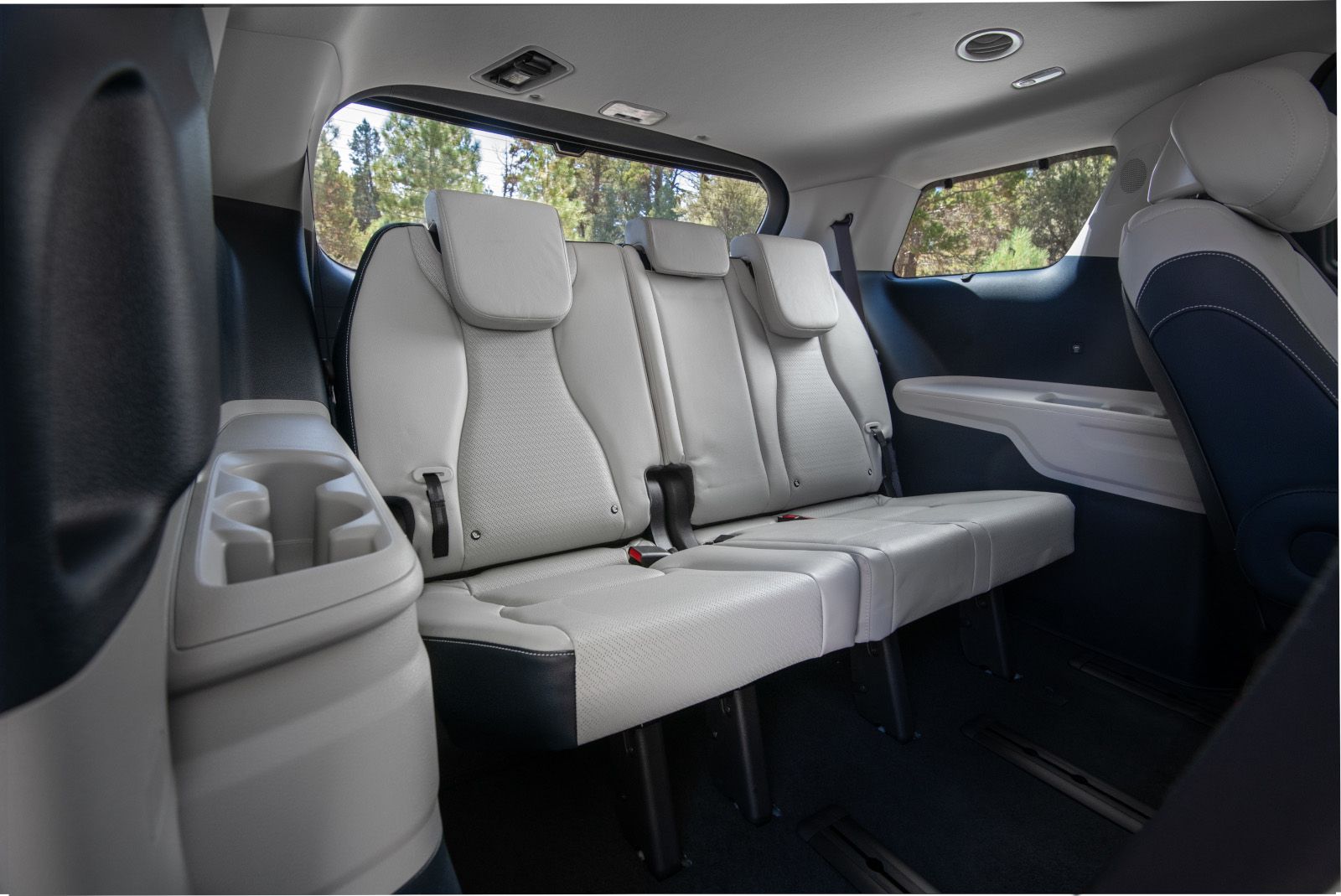
Think of the 1,139 L space as the default cargo mode. It’s sized for the trips where everyone rides: school runs, sports practice, and the grocery run on the way home. A folded stroller, a duffel bag of sports gear, and a stack of grocery bags fit side by side without crowding the seatback.
What doesn’t fit as easily: bulky seasonal items, flat-pack furniture, or several large suitcases for an out-of-town trip. Those situations call for folding seats, which brings up the next question.
When Should You Fold the Third Row Instead?
Fold the 60:40 split third row and the Carnival opens up to 4,110 L, nearly four times the space behind-seat figure. That’s the mode for home projects, bulky seasonal gear, or a Costco run when nobody needs the back row that day.
The tradeoff is straightforward: folding the seats trades passenger capacity for cargo room. If the third row is empty anyway, for a solo errand or a two-person road trip, folding it down is the better move rather than working around raised seatbacks.
What About Carrying a Full Cabin and Cargo at the Same Time?
This is where the 1,139 L figure earns its keep. A family with kids in every row still gets a real cargo bay, not an afterthought behind the last seatback. It’s enough for the daily mix of backpacks, a sports bag, and groceries without asking a passenger to hold anything on their lap.
For bigger loads with a full cabin, the second-row seats on LX, EX, and SX trims are individually removable, so a single seat can come out for oversized items while the rest of the third row stays in use for passengers.
Occasional vs. Everyday Third-Row Use
Some households run the third row daily, carpooling, multi-generational trips, or a full roster of kids. Others use it occasionally, for a weekend visit or an extra passenger on a road trip, and fold it flat the rest of the time for cargo.
Both setups work with the same seats. The 60:40 split-fold design means you don’t have to choose one mode permanently. Fold one side down for a long item like skis or a folding table, and keep the other side up for a passenger.
Quick-Answer Summary
|
Question
|
Answer
|
|
Cargo behind third row (seats up)
|
1,139 L
|
|
Cargo with seats folded
|
4,110 L
|
|
Third-row fold pattern
|
60:40 split, fold-in-floor
|
|
Second-row seats
|
Individually removable (LX, EX, SX)
|
|
Best for daily errands
|
Behind-third-row space, seats up
|
|
Best for bulky or seasonal loads
|
Seats folded
|
Choosing the Right Setup for Your Routine
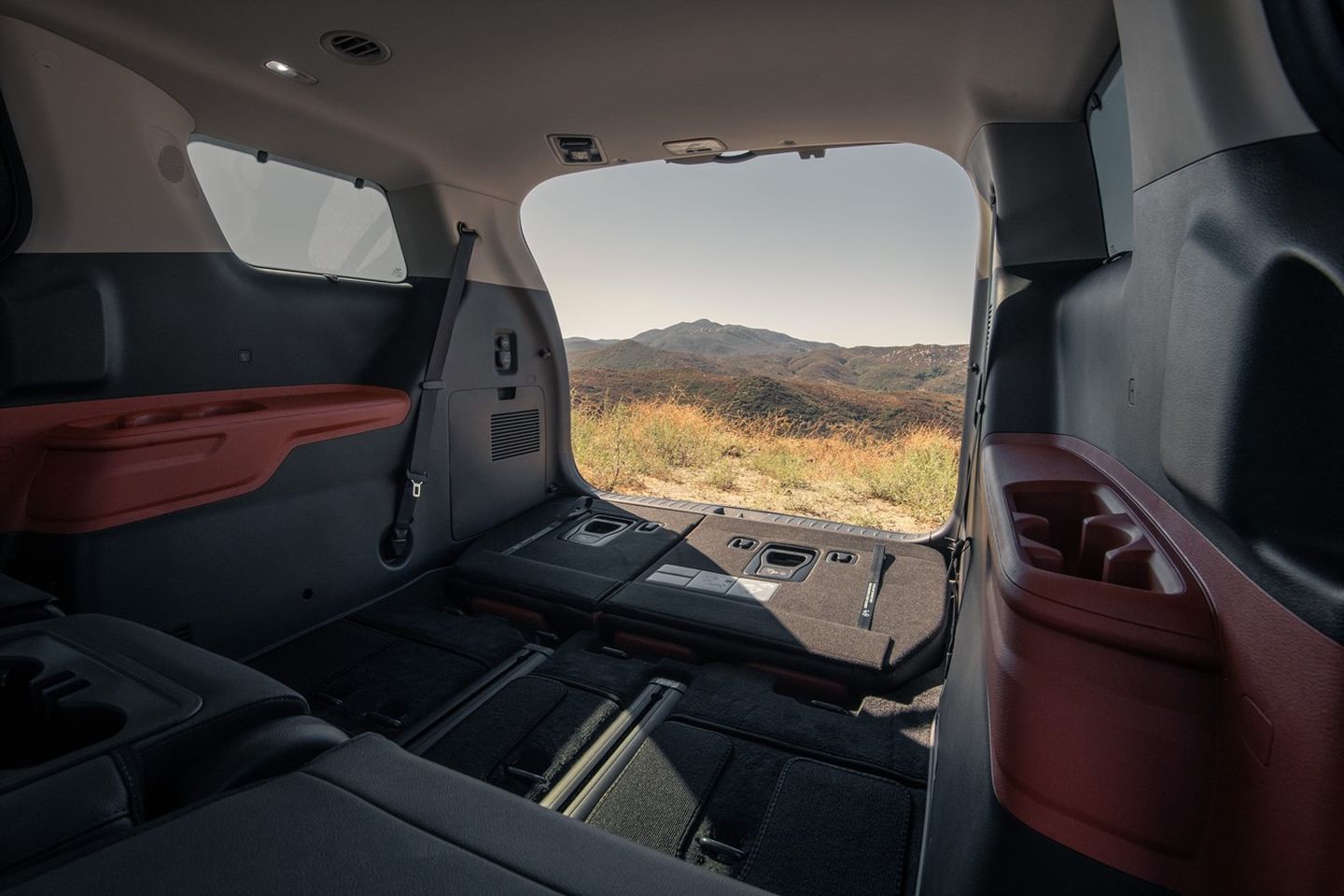
If your week runs on school pickups, sports practice, and grocery stops with a full cabin, the 1,139 L cargo space behind the third row is your working number. It’s there every trip without folding anything.
If your fall calendar includes road trips, home projects, or seasonal storage swaps, the 4,110 L folded configuration is worth planning around. Knowing which mode you’ll use most often before you shop makes the walkaround at the dealership faster and more useful.
Test the Carnival’s Cargo Setup for Yourself
The 2027 Kia Carnival pairs a 1,139 L cargo area behind its third row with a 4,110 L maximum when the seats fold flat, giving Quebec families a minivan that flexes between passenger duty and cargo duty without a garage full of compromises.
Visit Lallier Kia Vimont in Laval to sit in the third row, fold the seats yourself, and see which configuration matches your family’s routine before the Carnival arrives at the dealership.
To learn more about the 2027 Kia Carnival, visit Kia.ca